

Safety is often discussed as a compliance requirement, but in warehouse environments it influences much more than regulatory obligations.
Every day, warehouse teams work around moving equipment, palletised loads, storage systems, and busy operational areas. Such environments, if designed and maintained well, allow a person to work efficiently and safely.
Yet even routine activities can have serious consequences if safety hazards are ignored. This is why businesses continue asking, 'Why is safety so important in a warehouse?”.
The answer goes beyond preventing injuries. Warehouse safety protects employees, keeps operations running smoothly, minimises business risk and helps create a more productive working environment.
For many organisations, warehouse safety starts with the physical environment itself. Storage systems, aisle layouts, traffic flow, and ongoing maintenance all play a role in helping reduce risk before incidents occur.
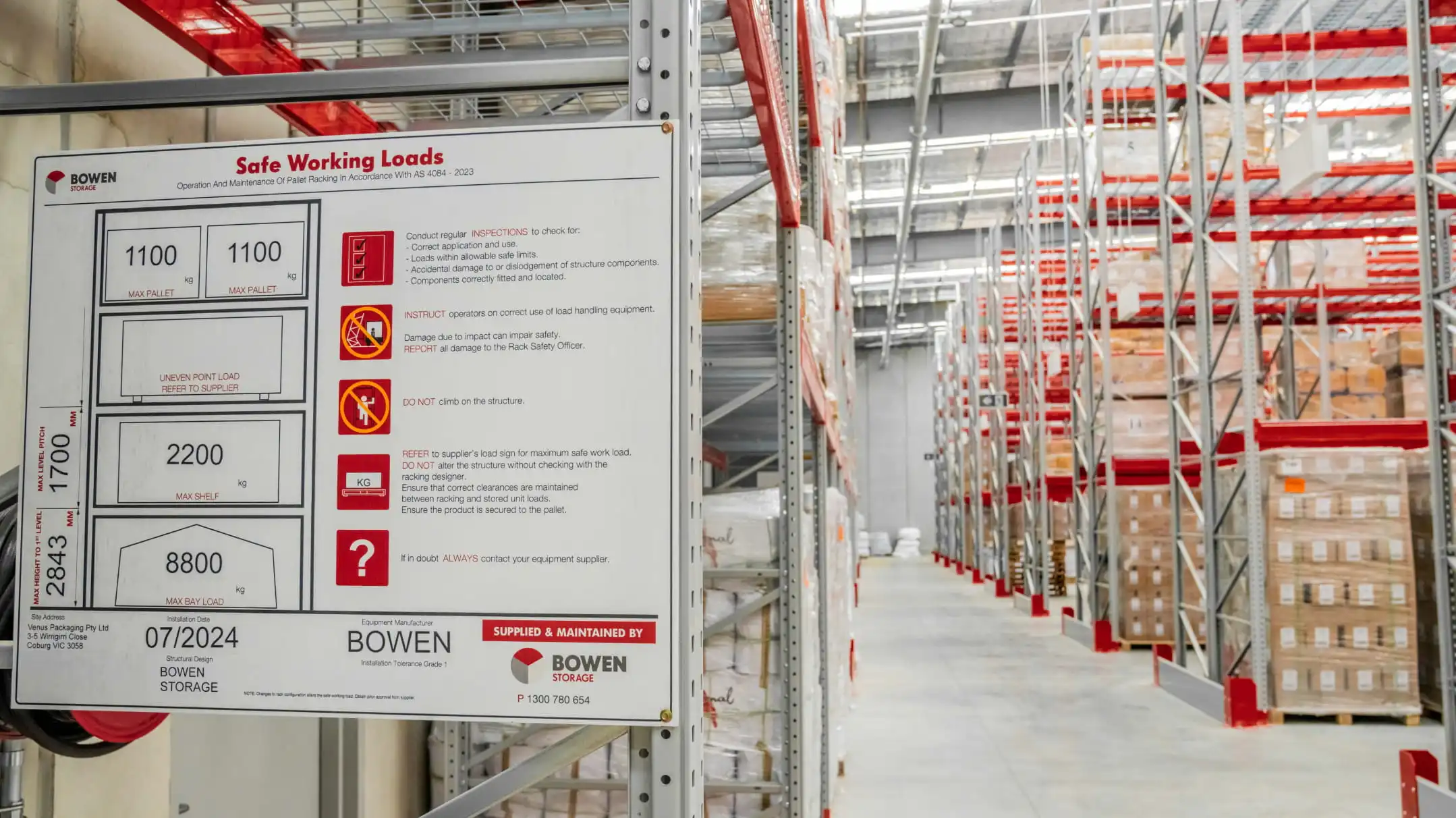
Safety Protects People First
At its core, warehouse safety is about protecting the people who work within the facility every day.
Warehouse employees regularly interact with forklifts, pallet racking, shelving systems, stock movement equipment, and inventory stored at height. While these systems are essential for efficient operations, they also introduce risks that need to be carefully managed.
Incidents involving falling loads, damaged racking, vehicle collisions, slips, trips, and manual handling injuries can all have serious consequences for workers and businesses alike.
A Safe Warehouse Supports Confidence
Employees generally perform better when they feel safe in their working environment.
Clear walkways, organised storage areas, well-maintained equipment, and predictable traffic flow help create a workplace where people can focus on their responsibilities without constantly navigating avoidable hazards.
Safety is not only about responding to risks. It is also about creating conditions that help prevent those risks from developing in the first place.
What Does Safety Mean in a Warehouse?
In practical terms, warehouse safety means creating systems and environments that minimise the likelihood of incidents occurring.
This can include compliant storage systems, clearly defined access routes, regular rack inspections, safe load management, appropriate staff training, and ongoing maintenance programs.
When these elements work together, warehouses are generally safer, more organised, and easier to operate.
Workplace Incidents Affect More Than Individuals
The human cost of workplace incidents is often the most immediate concern, but the impact rarely stops there.
Even relatively minor incidents can create operational disruptions that affect the wider business.
Injuries may lead to lost productivity, investigation requirements, equipment downtime, insurance implications, and disruptions to normal warehouse activities.
Small Problems Can Escalate Quickly
Many warehouse incidents are not caused by a single major failure.
Instead, they often result from smaller issues that have gone unnoticed or unresolved over time.
A damaged upright, overloaded storage bay, blocked access route, or poorly maintained storage area may not immediately cause an incident. However, when these issues accumulate, the overall level of risk increases significantly.
A Small Issue Becoming a Larger Risk
During a routine warehouse inspection, significant impact damage was identified on a pallet racking upright. While the damage had not yet caused an incident, further assessment revealed that the force of impact had affected additional components within the racking structure.
The affected bays were immediately unloaded, isolated, and taken out of service while the damage was investigated. Replacement components were installed before the racking was returned to operation.
Had the damage gone unnoticed, the risk to warehouse personnel, stock, and equipment could have increased over time. The inspection allowed the issue to be identified and addressed before it developed into a more serious safety concern.
This example highlights why regular inspections and proactive maintenance remain important parts of warehouse safety management.
Warehouse Design Plays a Bigger Role Than Many Realise
When discussing warehouse safety, attention often focuses on policies, procedures, and training. While these areas remain important, the physical design of the warehouse also has a significant influence on workplace safety outcomes.
Storage systems that are poorly suited to operational requirements can create unnecessary risks throughout the facility.
Likewise, layouts that force forklifts, pedestrians, and stock movement activities into congested areas may increase the likelihood of incidents occurring.
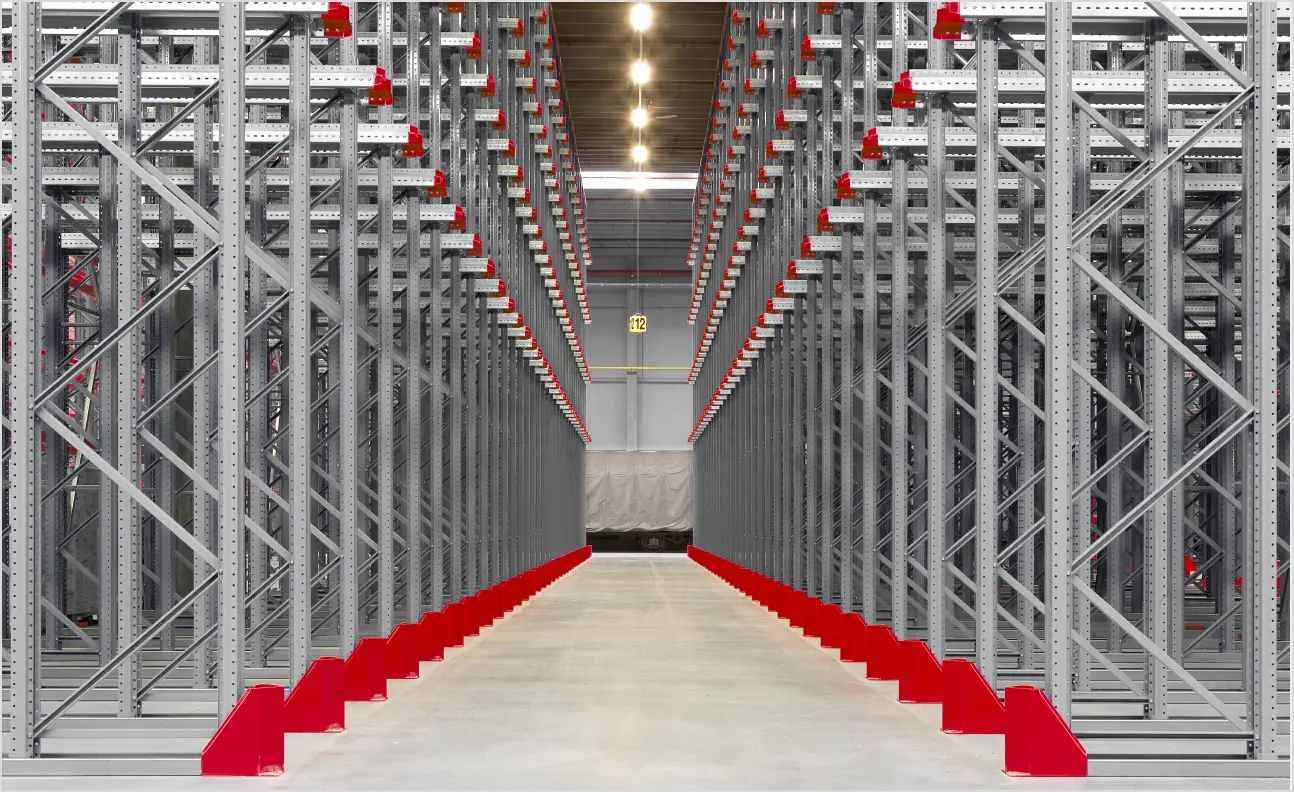
Good Design Reduces Everyday Hazards
Well-designed warehouse environments increase visibility, accessibility and movement throughout the facility, making operations safer.
Traffic routes are clear, and vehicles don’t interact as much. Appropriate storage configurations can help to reduce load-related risks. Organised inventory areas can reduce unnecessary handling and movement.
Good warehouse design helps to eliminate potential risks at the source, rather than relying on administrative controls.
Businesses reviewing safety risks as part of a broader warehouse upgrade can also look at rethinking warehouse storage design and inventory handling.
Storage Systems Must Be Suitable for the Task
Not every storage system is suitable for every warehouse environment.
When choosing storage solutions, you should consider load requirements, inventory types, operational volume and equipment use.
That is why companies often work with specialists when designing or upgrading warehouse storage systems. The right system should facilitate operational efficiency and long-term safety requirements.
Routine Inspection = Early Risk Detection
Warehouse safety issues don’t happen overnight. They build over time.
Storage systems fail gradually. Racking and forklifts are moving. Inventory requirements change. If you’re not paying close attention to these things, these factors can place additional stress on storage infrastructure.
Regular inspections can help businesses spot potential issues before they become larger safety concerns.
Damaged Racking Should Never Be Ignored
Even minor damage to pallet racking can affect the integrity of a storage system.
Impacts from forklifts, overloaded bays, missing components, or unauthorised modifications may compromise the performance of the structure. Left unaddressed, these issues can increase risk throughout the warehouse.
Routine inspections are a chance to evaluate the condition of storage systems and decide whether maintenance, repairs or upgrades are needed.
Safety Is Easier to Maintain Than Restore
Many organisations invest significant time and resources responding to incidents after they occur. In contrast, preventative maintenance programs are generally designed to reduce the likelihood of those incidents occurring in the first place.
Regular inspections, scheduled maintenance and ongoing monitoring all help to create a safer warehouse environment while minimising unexpected disruptions.
Expert Quote
“Annual pallet racking inspections are mandatory and must be conducted by a qualified racking inspector, engineer or racking specialist. An inspection ensures the ongoing safety, structural integrity and compliance of the warehouse storage system, as well as helping to identify potential hazards before they result in product loss, rack failure, injury or workplace incidents.
Any compliance issues identified during an inspection must be recorded and retained for the life of the racking system. Defects or safety concerns discovered will be reported to site management to allow for prompt corrective action. “
Compliance Begins With Everyday Decisions
Warehouse safety rules and standards of compliance exist to help improve worker safety and to promote safer practices.
Compliance requirements may differ from industry to industry and workplace to workplace, but the goal is the same: to identify risks and put practical measures in place to reduce them.
Many warehouse safety outcomes are influenced by everyday operational decisions.
Safe Practices Support Compliance
Maintaining clear access routes, managing storage loads appropriately, addressing damage promptly, and ensuring storage systems are used as intended all contribute to a safer working environment.
It is easier to be compliant when safety is built into the planning and design process than when problems are encountered.
Businesses seeking additional guidance can explore workplace health and safety responsibilities in Australian workplaces when reviewing warehouse safety practices.
Storage Design Reduces Risks
A good storage design helps to reduce common warehouse hazards by creating more organised and predictable environments.
Well-arranged racking, defined storage locations, and correct loading capacities all help to make a warehouse safer. Rather than viewing safety and efficiency as separate objectives, many businesses find they work best together.
Building a Better Safety Culture
Safety cannot be built on storage systems alone. The best warehouse environments are a mix of safe infrastructure, clear processes, constant communication and ongoing attention to risk management.
When safety becomes part of everyday operations, employees are often more likely to identify hazards, report concerns, and follow established procedures.
Safety Is Best When It Is Proactive
Reactive methods tend to focus on what happened after an incident has occurred. Proactive methods look at how to prevent incidents from happening in the first place. This could include tracking traffic flow, examining storage systems, changing procedures, or spotting risks before operational changes. Small improvements made consistently over time can have a large impact on overall warehouse safety.
Prevention Protects More Than Productivity
Workplace incidents can impact employees, customers, operations and business reputation.
A safer warehouse environment means less disruption and commitment to employee well-being and good business practices.
Businesses interested in broader workplace risk management strategies can also review preventing harm and injury at work.
Build a Safer Warehouse for Long-Term Success
To understand why safety is so important in a warehouse, you have to understand how it protects people and operations.
Safe warehouse environments contribute to risk reduction and compliance, better operational continuity and better working conditions for the employees. While policies and procedures are still important, storage system design, warehouse layouts, equipment maintenance and regular inspections also play a significant role in workplace safety outcomes.
For many companies, the best course of action is to avoid rather than to react. Early hazard identification, good maintenance of storage systems and the creation of safer operating environments can help reduce the probability of incidents occurring in the first place.
If you are reviewing warehouse safety, storage infrastructure or compliance requirements, contact Bowen Storage to explore practical storage solutions that can help you create safer, more organised and more compliant warehouse environments.