

A warehouse can operate for years without a major incident and still have safety issues sitting right in front of it.
A damaged rack protector that's been hit one too many times. Pallets creeping into access aisles during busy periods. A storage area that made sense five years ago but no longer suits the amount of stock moving through the facility today.
None of these things automatically lead to an incident. But they are exactly the kind of issues WHS is designed to address.
Most people know 'WHS' stands for 'Work Health and Safety'. What is often less clear is how it applies in a warehouse environment.
WHS isn't just about inductions, policies, or paperwork. It covers the physical workplace itself, including how people move through it, how equipment is used, how inventory is stored, and how risks are managed before they become larger problems.
In a warehouse, WHS shows up in hundreds of small decisions made every day:
- A forklift operator slowing down at an intersection.
- A supervisor reporting damage to a storage system.
- A warehouse team keeping emergency exits clear during a busy dispatch period.
These actions may seem routine, but together they help create a safer workplace.
What WHS Looks Like in a Warehouse
When warehouse managers hear the term WHS, many immediately think about compliance requirements.
That is understandable. WHS legislation places responsibilities on businesses to provide a safe working environment.
The practical side of WHS is often far more visible than the paperwork.
Walk through a warehouse and you'll see it everywhere.
- Load signage attached to pallet racking.
- Pedestrian walkways marked on the floor.
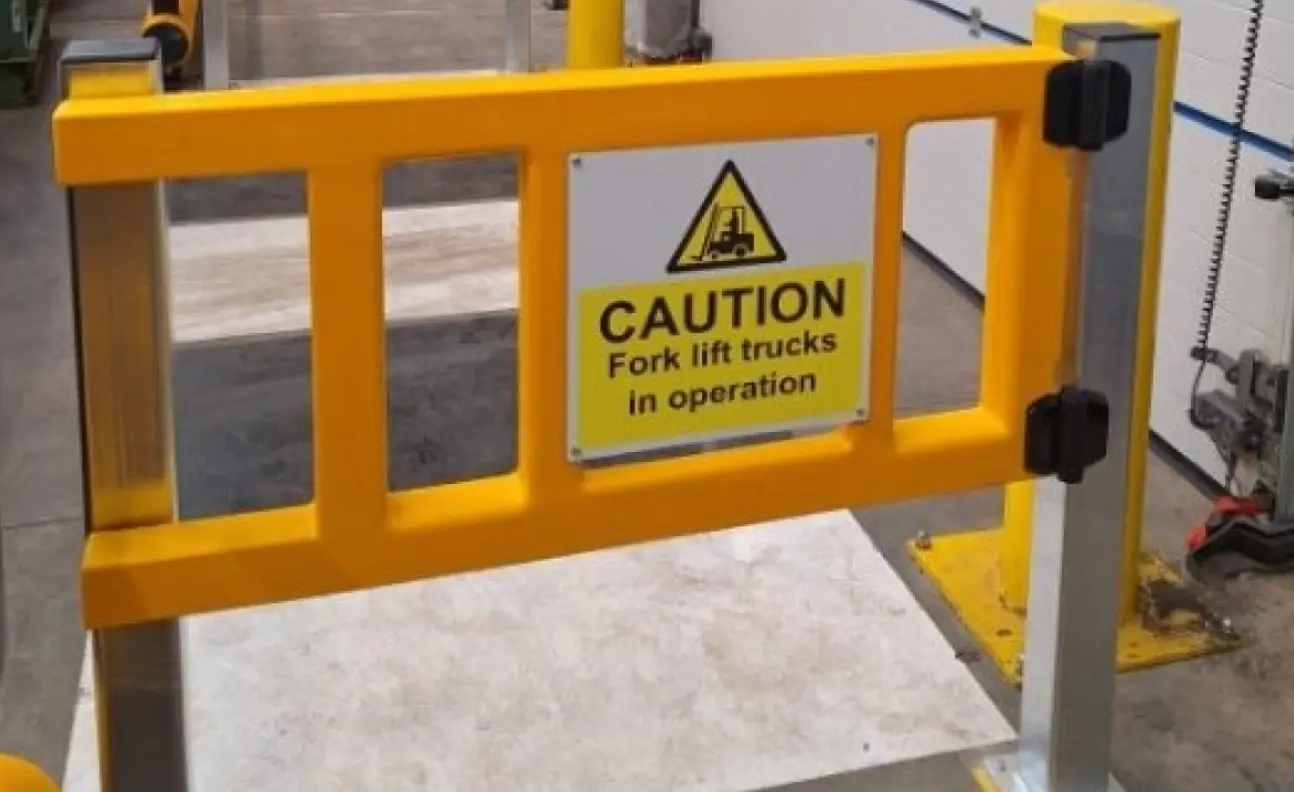
- Traffic management controls separating forklifts from foot traffic.
- Protective barriers positioned around vulnerable infrastructure.
All of these measures exist for the same reason. They help reduce risk.
The most effective WHS programs are usually not the ones with the thickest manuals. They are the ones where safety has been built into the way the warehouse operates.
Why Warehouse Layout Matters
Imagine two warehouses storing similar products. One has clear access routes, organised storage zones, and enough room for equipment to move safely. The other has congested aisles, temporary overflow storage, and forklifts regularly waiting for access.
Which environment is more likely to create safety concerns?
Warehouse layout affects more than operational efficiency. It also influences visibility, traffic flow, accessibility, and the way people interact with equipment throughout the day.
When layouts become crowded or difficult to navigate, risks often increase.
This is one reason warehouse upgrades frequently involve more than simply adding extra storage capacity.
Sometimes the bigger opportunity is creating a safer and more practical environment for employees.
Storage Systems Are Part of WHS Too
Storage systems often become part of the background. Once installed and used every day, it’s easy to believe they will perform as expected.
It’s a fact of life that warehouses change.
Stock levels move. Product lines expand. Operational needs evolve. What worked well a few years ago may no longer be suitable to the way the warehouse operates today.
This is where storage design and WHS often come together.
A damaged or misused, overloaded storage system can create undue risks throughout the facility. That doesn’t mean every warehouse needs to be reinvented. Sometimes it is simply a matter of reviewing whether existing systems still match current requirements.
The Small Signs Are Usually There
Major incidents rarely happen without warning. More often, there are signs that something needs attention.
A damaged upright that keeps getting clipped by forklifts. Pallets being stored in areas that weren't intended for storage. Access routes becoming tighter as inventory grows. Load signage that no longer reflects the way the racking is being used.
Separately, none of these may be a problem. Together, they may indicate that a warehouse is beginning to outgrow its current set-up.
This is why regular inspections remain an important part of warehouse safety.
WHS Is Not About Eliminating Every Risk
One of the biggest misconceptions about workplace safety is that the goal is to remove all risk. In warehouse environments, that simply isn't realistic.
Forklifts will continue moving products. Employees will continue handling inventory. Deliveries will continue arriving and leaving throughout the day. The aim of WHS is not to create a risk-free workplace. It is to recognise potential hazards and put sensible measures in place to reduce the likelihood of incidents.
Most of the time, it involves physical controls, such as barriers, rack protection, or clearly marked pedestrian walkways. Sometimes, it involves procedures, maintenance programs, or staff training.
Or a combination of all these things.
WHS Is Not About Eliminating Every Risk
During a scheduled warehouse inspection, significant impact damage was identified on a pallet racking upright. The damage was severe enough to require immediate action to ensure the safety of employees and prevent further risk to the storage system.
The damaged area was clearly marked, and the affected bay, along with adjacent bays, was unloaded under supervision. As the inspection continued, additional damage was discovered on the rear upright frame, indicating that the impact force had travelled through the racking structure.
Following the assessment, the affected bays were isolated, and access was restricted until replacement components could be installed. The damaged racking remained out of service until repairs were completed and the system was inspected and confirmed safe for use.
Situations like this highlight why regular inspections form an important part of WHS. Identifying damage early allows businesses to address potential hazards before they lead to more serious safety incidents, equipment damage, or stock loss.
Audits Often Reveal More Than Expected
Many people view audits as a compliance exercise.
In practice, they can provide a useful snapshot of how a warehouse is functioning.
A safety audit may identify damaged equipment, storage areas that have become congested, or procedures that no longer reflect the way the warehouse operates.
It can also highlight changes that have happened gradually over time.
Because warehouse teams work in the same environment every day, it's easy for certain issues to become normalised. An external review or formal inspection often provides a fresh perspective.
Looking at the Warehouse as a Whole
Good audits do more than identify individual problems.
They help businesses understand how different parts of the operation interact.
For example, a storage issue may be linked to inventory growth. Congested aisles may be the result of limited storage capacity. Repeated equipment damage may point to layout constraints rather than operator behaviour.
Understanding these connections often leads to more practical solutions than simply treating individual symptoms.
Creating a Safer Warehouse Day After Day
The warehouses with the strongest safety records are not necessarily the ones with the most complicated systems.
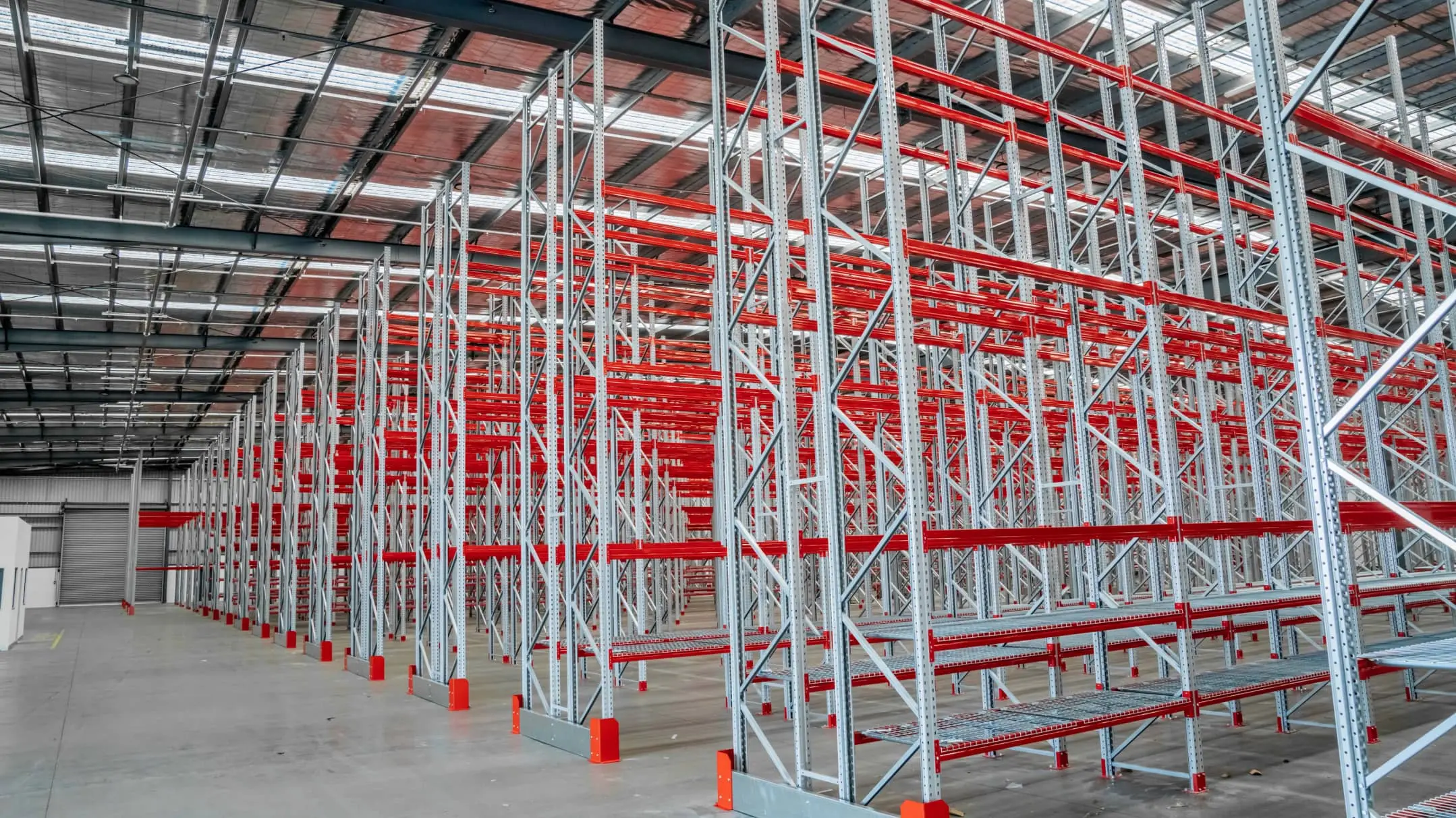
More often, they are the ones where safety has become part of everyday operations. Issues are reported when they are spotted. Storage systems are inspected regularly. Damaged equipment is addressed before it becomes a larger problem.
Managers and warehouse teams understand their responsibilities and communicate openly about potential risks.
None of these actions are particularly dramatic. Over time, however, they help create a workplace that is safer, more organised, and easier to manage.
Expert Quote
“Warehouse safety is not driven by a single decision. It comes from the way storage systems, warehouse layouts, and ongoing inspections work together.
At Bowen Storage, we focus on creating storage solutions that maximise available space without compromising safety. That means selecting suitable racking systems, designing practical layouts, and incorporating protective measures where they are needed most.
Regular inspections then help identify damage, overloading, or other issues before they become larger safety concerns.”
— Bowen Storage
Understanding WHS in a Warehouse Environment
When people ask what WHS means, the answer often starts with legislation and compliance requirements.
In warehouses, however, WHS is much more practical than that.
It influences how facilities are designed, how storage systems are maintained, how inventory is managed, and how people move safely through the workplace every day.
The safest warehouses are rarely the result of a single policy or initiative. They are usually built through ongoing attention to layout, storage, maintenance, inspections, and everyday decision-making.
If you are reviewing warehouse safety, storage systems, or operational layouts, contact Bowen Storage to discuss practical solutions designed to support safer and more efficient warehouse environments.