

A warehouse can start to feel cramped long before every shelf is full. New products arrive, stock levels fluctuate and staff find themselves spending more time locating items or moving things around to reach what they need.
Often, the problem isn't simply a lack of storage. The shelving may have suited the business when it was first installed, but the operation has since changed.
Industrial storage shelves need to work for the stock a warehouse carries and the way staff handle it. If either changes, the original arrangement may need a second look. Getting that right can make a difference to everyday work without automatically requiring a larger facility.
Storage Decisions Have a Direct Effect on Workflow
Picking orders takes longer when staff have to search for products or move other stock to reach them. If frequently picked items are spread across the warehouse, workers may end up covering more ground than necessary.
The same applies to replenishment. Restocking a shelf shouldn't make other tasks unnecessarily difficult or block access to nearby products.
Where shelves sit affects how staff move through the warehouse. Fast-moving stock needs convenient access, and aisles must leave enough room for the equipment used to move goods.
Before adding shelving, it helps to walk through the process with the people who use the warehouse every day and review the warehouse layout. They can often point out where access is difficult, which products take the longest to retrieve and where the current arrangement gets in the way.
Can Your Storage Keep Up With a Changing Product Range?
A warehouse that used to store mostly cartons may now need space for small parts, bulky items or products in a range of sizes. The shelves haven't changed, but what's being stored on them has.
Staff may end up moving stock around to fit new deliveries onto shelves that are already crowded. Other items might have more space than they need, while newer products are harder to accommodate.
Where stock sits can make a difference as well. If staff are constantly walking across the warehouse to pick the same products, changing their locations may help. There's little point in adding more shelving if the existing space could be used better.
Making Better Use of Space Without Disrupting Operations
Before ordering more shelves, check how the current space is being used. Some areas may be crowded while others have room to spare, particularly if the stock or layout has changed over time.
It may help to move popular items closer to where orders are packed. Less frequently picked stock can stay further away, leaving the more accessible shelves free for products staff need throughout the day.
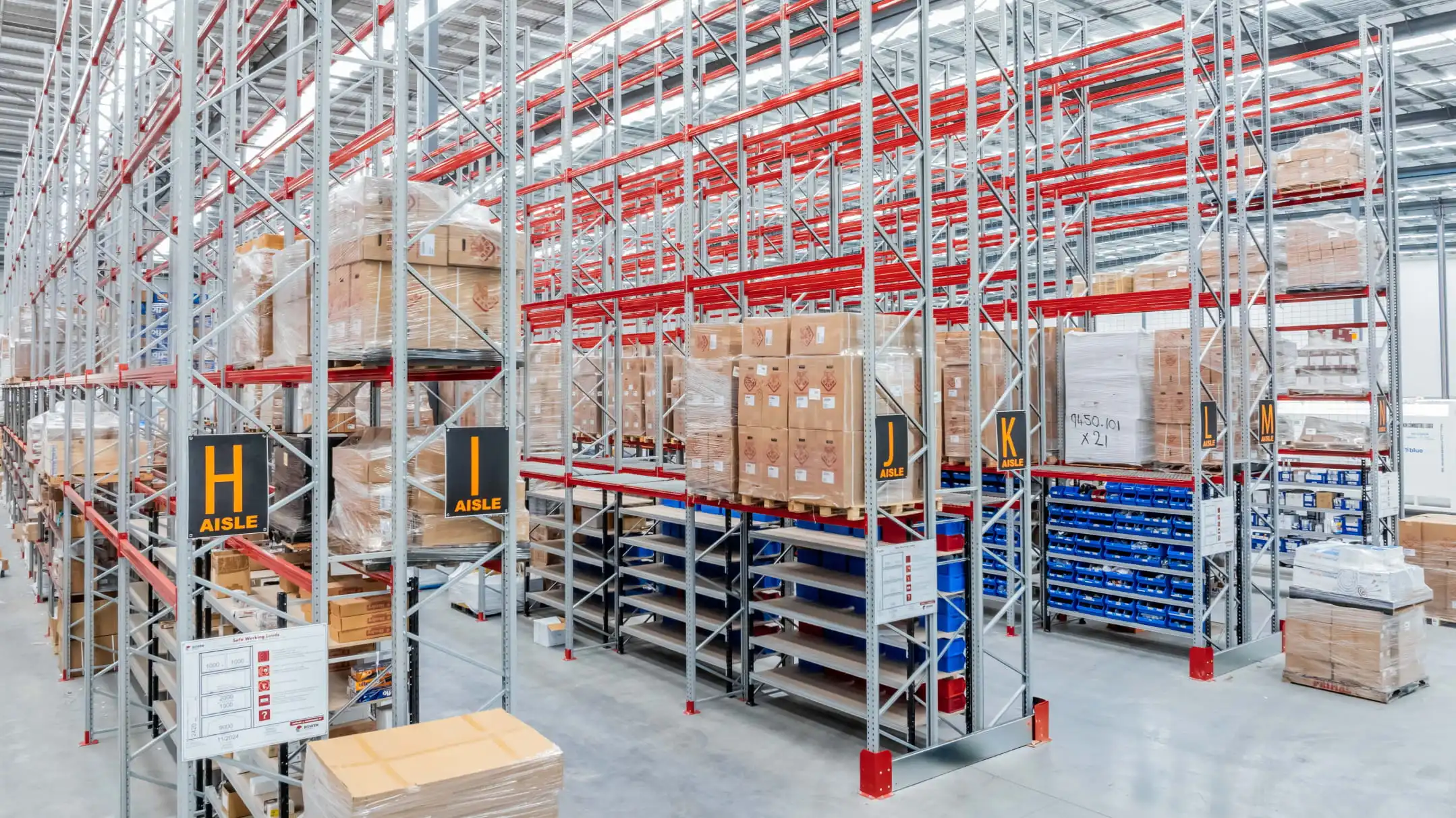
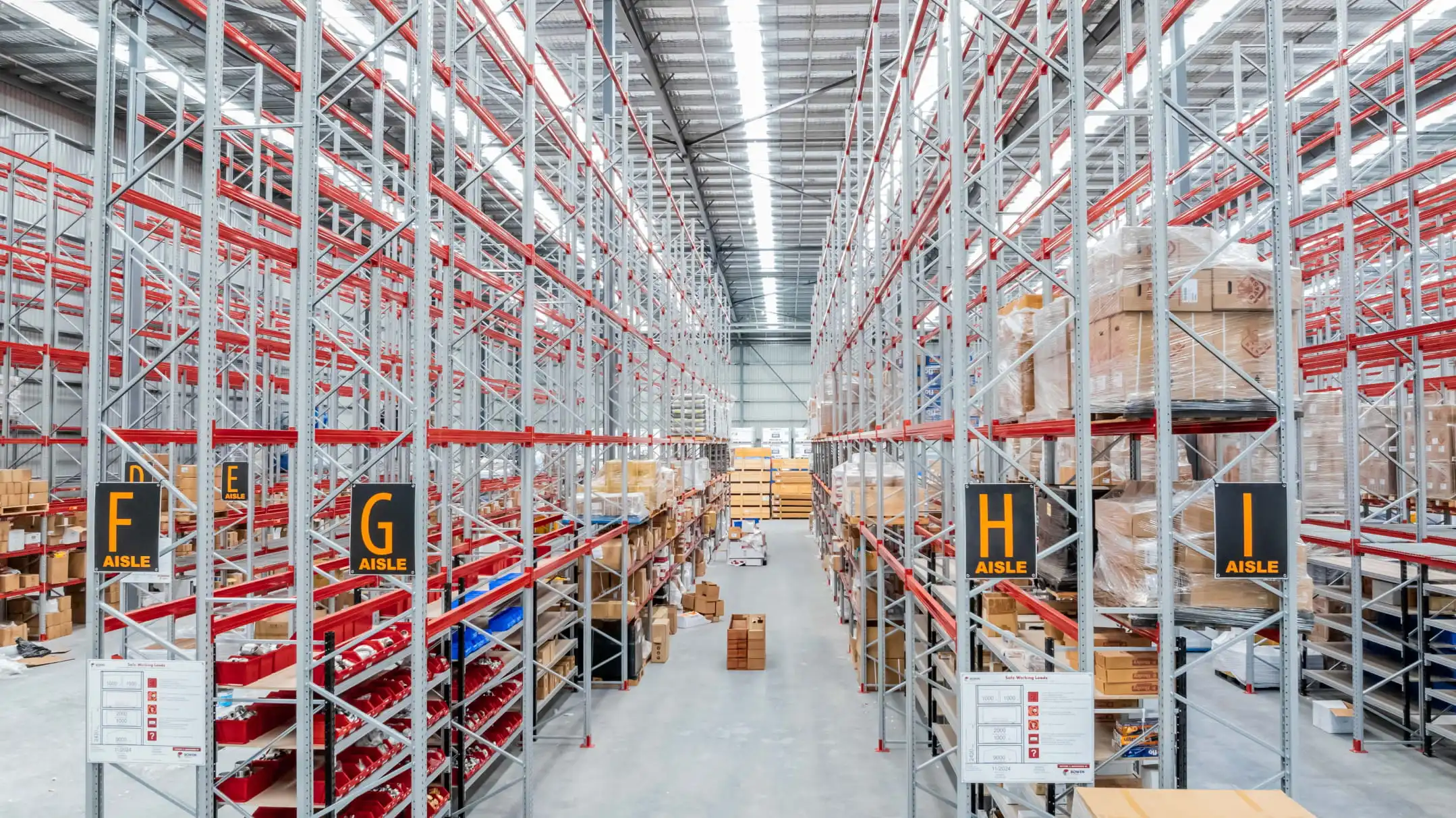
Some warehouses also need different storage for different stock. Small parts may fit on industrial shelving, while palletised goods need racking. Both need to fit the available space without getting in the way of staff or forklifts.
When planning these areas, it's worth considering how staff and forklifts will move around each other. Safe Work Australia's traffic management guide for warehousing outlines ways to manage vehicle and pedestrian movement in warehouse environments.
The best place to start is the current setup. Find out what's taking up space, what's difficult to access and what could be rearranged before deciding whether more storage is needed.
Choosing Shelving Around the Work, Not Just the Inventory
The shelving that works for a warehouse handling small parts may not suit one storing bulky cartons or heavier stock. Even when two businesses carry similar products, the way they pick, handle and replenish them can be quite different.
Before changing the shelving, look at what the team deals with each day. What sizes and weights are coming in? Which items are picked most often? What equipment do staff use, and are there any access issues?
It may also be worth using more than one type of storage. Industrial shelving suits smaller items that staff pick individually, while pallet racking is often used for palletised goods. A warehouse handling both may need a mix of the two, with each system chosen for the stock and work it needs to support.
Planning for Growth Without Locking in Today's Requirements
A growing business may need to change its storage as order volumes increase or new equipment comes into use. Before investing in a new setup, consider what the warehouse will need to handle over the next few years.
There's no need to plan for every possible scenario, but the setup shouldn't create problems that could have been avoided. Load limits, building restrictions and safe access still need to be taken into account.
For shelving and racking used to store products, WorkSafe Victoria's guidance on handling products in and out of storage shelving or racking offers practical advice on reducing manual-handling risks.
Sometimes, the fix is simple. Moving a few product lines or changing where certain items are stored may be enough. In other cases, the shelving itself may need to change. It depends on what's happening on the warehouse floor.
Getting the Storage Setup Right
Storage needs rarely stay the same as a business grows. New products come in, order volumes shift, and the original setup may no longer work as well as it once did.
At Bowen Storage, we look at how a warehouse operates before recommending changes. Depending on the stock and how it's handled, that might mean industrial shelving, pallet racking or a mix of both.
If you're considering changes to your warehouse storage, contact Bowen Storage to discuss your requirements.