

A warehouse can handle a steady flow of orders for years, then reach a point where the usual workarounds stop helping. Staff spend more time looking for stock, orders wait longer to be picked, and supervisors have to move people around to keep despatch on schedule.
Adding staff or changing the layout may help, but these measures have their limits. If the warehouse is regularly falling behind, it may be worth looking at how orders are picked and whether automation could help.
That doesn't mean a fully automated system is the answer. Automated picking systems suit some warehouse operations better than others, depending on the products stored, order volumes and where the current process is losing time.
Here are six signs that it's worth taking a closer look.
1. Picking Is Taking Longer as Order Volumes Grow
A picking process that worked at lower volumes may struggle when daily orders increase. Staff have more items to collect, more locations to visit and less time to get everything ready for despatch.
You might notice the difference during busy periods, when orders start piling up and supervisors have to move staff between aisles to clear the backlog.
Before looking at equipment, find out where the time is going. Check how long orders take to pick, how far staff travel and whether certain products or order types cause repeated delays.
A warehouse handling large numbers of small items might benefit from a warehouse automation system that brings products to a fixed workstation. One dealing with bulky or irregular goods may need a different approach.
More orders don't automatically mean automation is needed. First, work out whether the current picking process is the problem and whether the delays are likely to continue.
2. Staff Spend Too Much Time Walking and Searching for Stock
In some warehouses, staff spend more time getting to products than picking them. They might cross several aisles for one item, then make the same trip again for another order.
Stock placement can add to the problem. Popular items might be stored a long way from packing, similar products can be hard to tell apart, or location labels may no longer match the way stock is organised.
Products picked frequently could be stored closer to packing, while less popular items are moved further away. It's also worth checking whether labels are easy to read and whether staff can reach the products they need without taking unnecessary detours.
Product placement can also affect how easily staff handle stock. WorkSafe Victoria's guidance on handling products in and out of storage shelving or racking covers risks associated with awkward reaches, heavy products and frequently handled stock.
If workers still spend much of their shift travelling between storage locations, a goods-to-person system could be worth considering. It brings stock to a picking station rather than requiring staff to collect every item themselves. This can suit operations handling large numbers of small items, though it won't suit every product range.
Check how much time is spent walking and picking orders. You may be able to improve things by moving stock around. If that doesn't go far enough, the figures can help you judge whether automation is worth the cost.
3. Picking Errors Are Becoming More Frequent
Picking the wrong item or quantity creates extra work. The warehouse may need to send another order, arrange a return or correct its stock records, while the customer waits for the right goods.
Look at the mistakes that keep coming up. Are staff mixing up similar products? Are labels difficult to read? Does the stock system show the wrong location or quantity?
Barcode scanners, clearer labels or changes to staff procedures may resolve some of these issues without a major investment.
If mistakes continue, automation may be worth exploring. Some systems guide staff to the correct location or check that an item matches the order. However, inaccurate stock records can still cause problems, even with automated equipment.
Check how often errors occur and what is causing them. A few changes to the current process may be enough. If not, you'll have a better idea of what an automated system needs to address.
4. Labour Is Becoming Harder to Manage
When order numbers rise, hiring more pickers can help. But new staff need time to learn the warehouse, and experienced workers may have to spend time training them instead of getting through their own orders. Rosters become harder to manage when the workload changes from week to week.
Seasonal peaks add another challenge. You may need extra staff for the busiest months, only to find you have more people than necessary once orders return to normal.
Automated picking can reduce some manual work, but it won't remove the need for staff. Stock still needs replenishing, orders need packing, and someone has to deal with missing items and equipment problems.
Look at where the team spends most of its time. If repetitive picking tasks take up a large part of each shift, automation might help. If delays are caused elsewhere, a picking system may not make much difference.
The costs also go beyond the equipment. Allow for software, installation, maintenance, training and any changes needed to the warehouse. You may need to account for disruption while the system is installed, too.
Consider what happens outside peak season. If order volumes drop sharply during quieter months, it may be harder to justify the investment.
5. Your Warehouse Is Running Out of Usable Space
When shelves are full, staff may start putting stock wherever they can find room. Products become harder to locate, and getting items in and out of crowded areas takes more effort.
Before investing in automated storage, look at how the space is being used. Slow-moving products may be occupying the most convenient picking locations, while items needed every day sit at the other end of the warehouse. Rearranging stock could free up useful space without adding equipment.
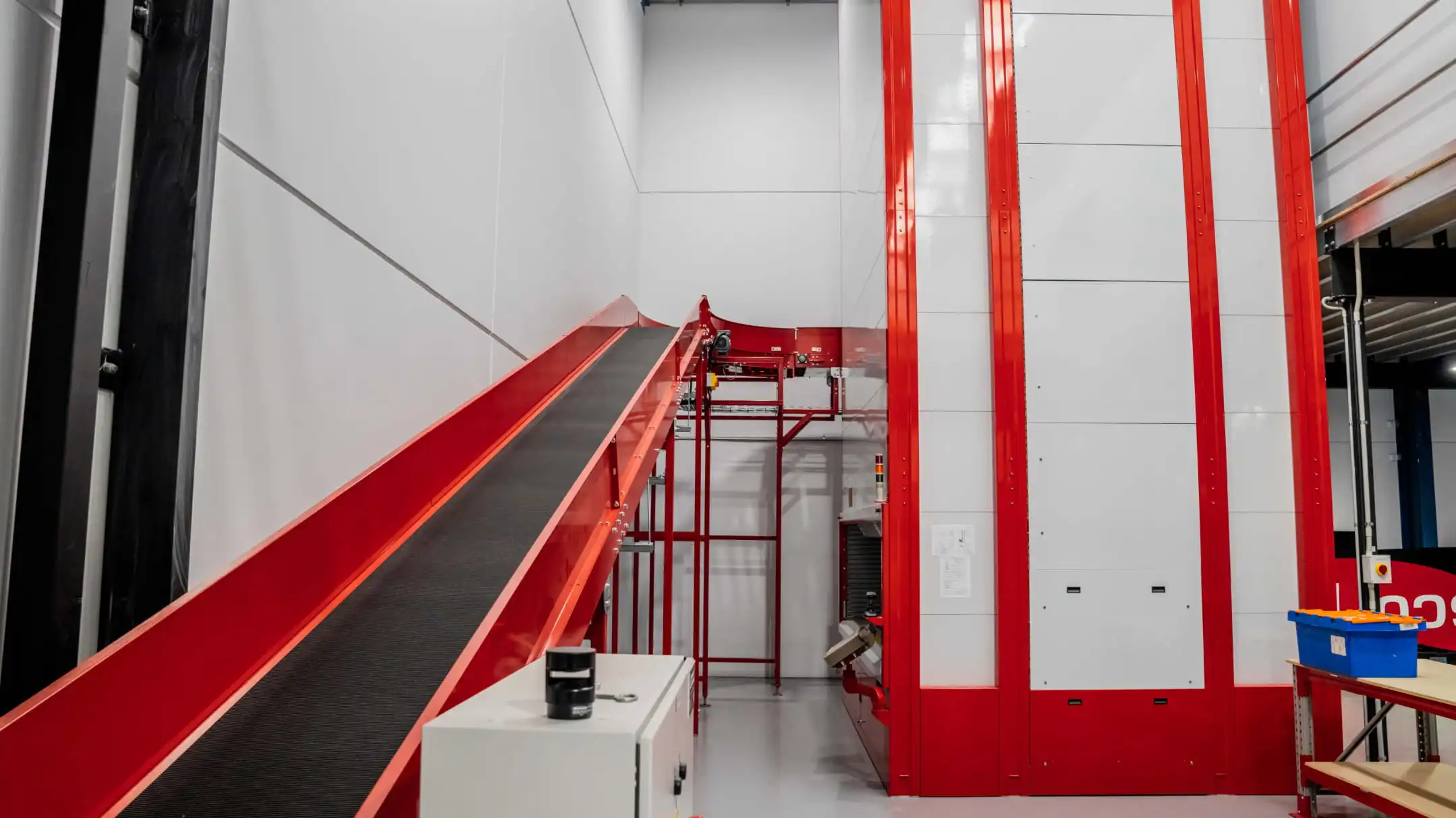
If the building really is running short of room, an automated storage and retrieval system (ASRS) may be worth investigating. Depending on the design, some systems make better use of building height or reduce the space needed for aisles.
Any changes to the layout should also account for forklift and pedestrian movement. Safe Work Australia's traffic management guide for warehousing explains how businesses can assess and manage these risks.
Storage automation and picking automation aren't the same thing. An ASRS can retrieve stock, but staff may still need to pick individual items, consolidate orders and pack them for despatch. The two can work together, but you don't necessarily need both.
Check the building height, available floor space, stock profile and access requirements before comparing systems. These will help you decide whether automation could address the space problem or whether a layout change is more practical.
6. You're Struggling to Meet Despatch Cut-Offs
When picking falls behind, packers may be left waiting for stock, and supervisors have to decide which orders need attention first. As the deadline approaches, the team can end up rushing to get shipments ready.
Picking may be the cause, but check the rest of the process as well. Stock might not have been replenished, inventory records could be inaccurate, or the packing area may already be at capacity. Orders released late can also leave less time to prepare shipments.
Find out where the backlog starts. If orders are waiting to be picked, automation could help reduce retrieval times or increase the number of orders processed. If the delay occurs during packing or despatch, faster picking won't solve it.
The type of order matters, too. A warehouse handling many small order lines will have different requirements from one picking a few bulky items per order. Order volumes, processing times and despatch schedules all affect which system may be suitable.
Make sure the rest of the operation can handle any increase in picking speed. Otherwise, the queue may simply move to the next stage.
What Should You Check Before Investing in Automated Picking?
These problems may be reasons to investigate automation, but they don't necessarily justify the expense. Before approaching suppliers, get a clear picture of what the warehouse needs to improve.
- Where are the delays happening? Check whether the main issue is travel time, retrieval speed, picking accuracy, labour availability, storage or despatch.
- How many orders need to be processed? Look at daily volumes, order lines, seasonal peaks and expected growth.
- What products do you handle? Consider their size, weight, fragility and how often staff need to pick them.
- What does the current process cost? Include labour, overtime, errors, delays and the time spent correcting mistakes.
- Can the building accommodate the system? Check available space, building height, power requirements, access and installation constraints.
- How will you measure the improvement? Set targets for picking time, order accuracy, throughput or labour hours per order.
Compare automation with simpler changes, too. Moving stock, revising picking routes or changing procedures may solve the problem for less money. If the warehouse is already using its space efficiently and still can't keep up, a larger change may be justified.
Choosing an Automated Picking Solution That Fits Your Warehouse
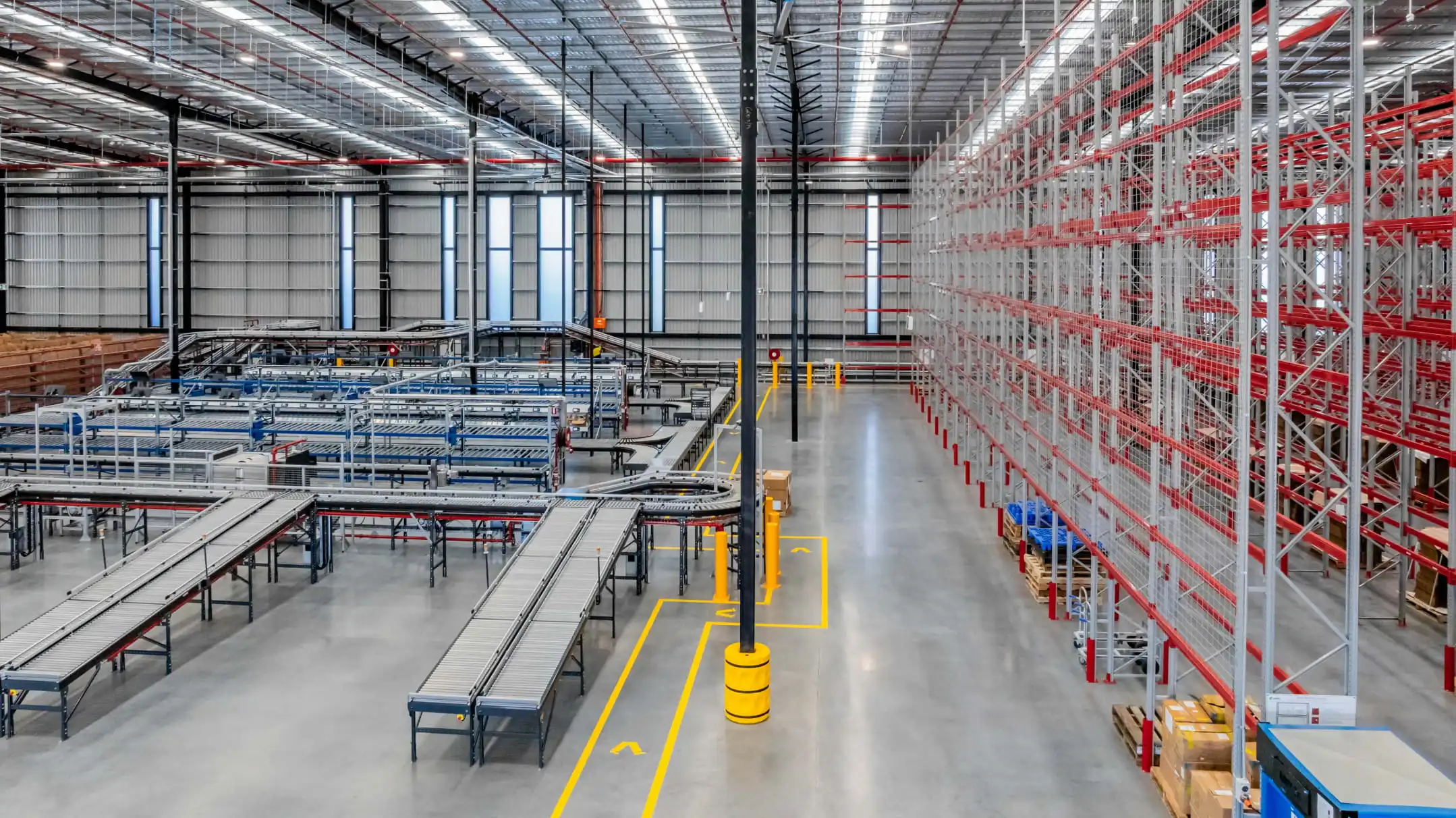
A warehouse picking thousands of small items each day has different needs from one handling bulky goods or full pallets. The system needs to suit the products, order patterns and work involved.
Depending on the operation, that could mean automated picking, an ASRS, changes to shelving and racking, or a combination of equipment and process improvements.
At Bowen Storage, we look at how stock is stored, retrieved and moved through the warehouse when assessing storage and automation requirements.
If your picking process is struggling to keep pace with demand, contact Bowen Storage to discuss your operation and the options worth considering.